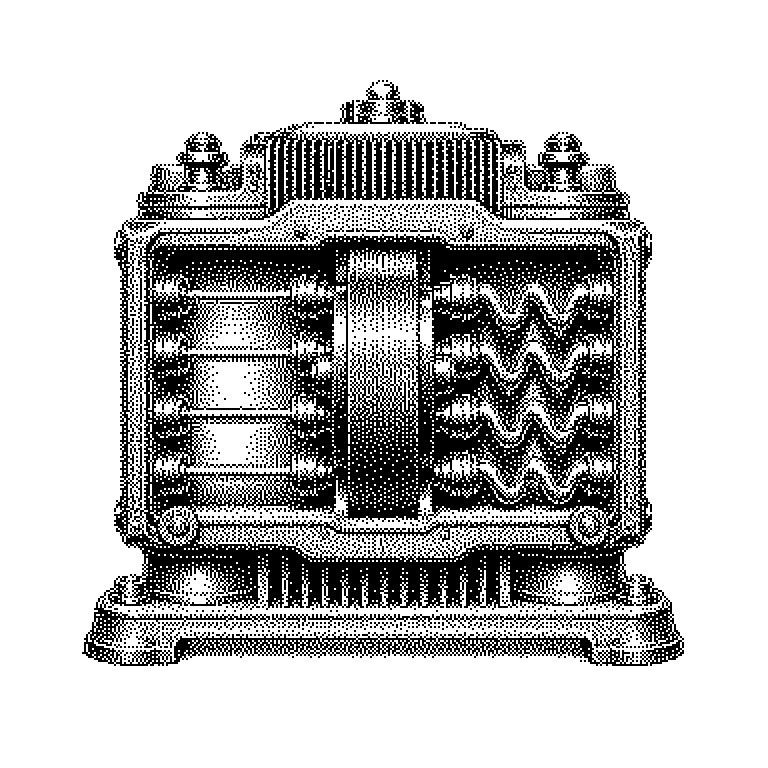
Inverter
An inverter is a device that converts direct current – that is, current that always flows in the same direction – into alternating current, which regularly changes its direction. It is the crucial link between power sources such as solar panels or batteries and the ordinary power grid.
An inverter is a device that converts between two types of electrical current. Direct current – that is, current that always flows in the same direction – comes from sources such as batteries or solar panels. The power grid and most household appliances, however, need alternating current, in which the direction switches many times per second. The inverter translates between these two worlds. Without it, you could not feed the electricity from a solar installation into a wall socket. The term comes from English, roughly meaning “the one that inverts”; in German it is also called a Wechselrichter.
Why inverters are indispensable in the energy system
Renewable energy sources almost all supply direct current. Solar cells generate it directly, and battery storage systems – from smartphones to home batteries – also operate on direct current. The public power grid, on the other hand, runs on alternating current at 50 hertz in Europe, meaning the direction switches 50 times per second. So anyone who wants to use solar power or feed a battery into the grid absolutely needs an inverter.
This makes the inverter the centerpiece of the energy transition. Without it, every solar installation, every home storage system, and every electric vehicle with grid feed-back would be cut off from the grid. At the same time, the efficiency of the inverter affects how much of the generated electricity actually becomes usable. Modern units achieve efficiencies of over 98 percent – meaning less than two percent of the energy is lost as heat.
How an inverter turns direct current into alternating current
At its core, an inverter uses electronic switches, known as transistors, that turn the direct current on and off extremely quickly. This rapid switching creates a current signal that alternates between positive and negative values. An additional filter smooths this raw signal until it has the clean waveform of grid power. The entire process happens tens of thousands of times per second and is monitored by a small control computer.
There are various types: A grid-tied inverter synchronizes its output precisely with the frequency of the public grid and feeds electricity into it. An off-grid inverter, by contrast, creates its own, independent network – for example, on a sailboat or in a remote mountain cabin. Battery inverters can often work in both directions: they charge the battery from the grid and later release its stored electricity back.
A common misconception: many people confuse the inverter with a transformer. A transformer only changes the voltage of alternating current but does not convert between current types. The inverter is an active electronic device – it requires its own control logic and generates the alternating current signal anew.
Inverters in products, news, and everyday life
Every photovoltaic system on a house roof contains at least one inverter – often seen as a gray box in the basement or on the exterior wall. When buying a solar installation, the inverter’s efficiency is a key purchasing consideration. Manufacturers such as SMA, Fronius, or Huawei are well-known names in this market and regularly appear in trade reports.
Electric vehicles also contain an inverter: it converts the battery’s current into alternating current for the drive motor. The power and efficiency of this component directly affects how much range a battery delivers. Charging at an alternating-current charging station also runs through an inverter – in this case, it sits inside the car itself.
In the news, the word frequently appears in connection with energy storage and grid stability. When media write about “smart inverters,” they mean inverters that communicate with the grid and can flexibly regulate the power being fed in. This is considered an important building block for a stable power grid with a high share of renewable energy.